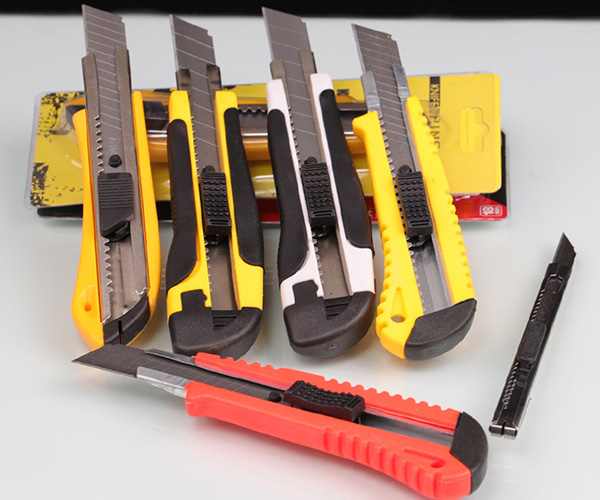
Utility knives and box cutters are often used interchangeably, but they aren’t always the same tool. While they may look alike, there are important differences in design, functionality, and the tasks for which they’re best suited. This article will break down these two tools, explore their similarities and differences, and help you decide which one is the best for your specific needs.
What is a Utility Knife?
A utility knife is a versatile, durable tool designed to handle a wide range of cutting tasks. These tools typically feature a retractable or replaceable blade, making them ideal for cutting through materials such as cardboard, carpet, plastic, and even some light wood. The handle is often made of a sturdy material like metal or heavy-duty plastic, designed to withstand repeated use. Utility knives come in many shapes and sizes, from compact pocket versions to larger, heavier-duty models for industrial tasks.
What makes utility knives stand out is their versatility. They are used in a variety of applications, from home improvement projects to professional work sites. Whether you’re slicing through tough packaging or trimming materials for a DIY project, a utility knife can usually handle the job.
But here’s the kicker: unlike a box cutter, utility knives are designed to be more robust, which makes them suitable for more challenging cutting tasks. The blade can often be replaced or retracted, ensuring that the knife stays sharp and safe to use.
Table 1: Common Uses of Utility Knives
| Use Case | Description | Best Material to Cut |
|---|---|---|
| Home Improvement Projects | Ideal for cutting through drywall, carpet, etc. | Drywall, carpet, plastic |
| Packaging | Cutting through packaging and boxes | Cardboard, shrink wrap |
| Crafts | Precision cutting for detailed DIY projects | Paper, fabric, thin wood |
What is a Box Cutter?
A box cutter, much like a utility knife, is used for cutting tasks, but its design and intended use make it different from its more versatile counterpart. Box cutters are typically lighter and smaller, designed specifically for cutting through cardboard, shrink wrap, and other light packaging materials. They often have a fixed, non-retractable blade, though some models come with a retractable option.
The box cutter’s simplicity and portability are its major selling points. It’s ideal for tasks that involve mostly cardboard, paper, and plastic, but it’s not meant for tougher materials like wood or metal. If you’re working with light-duty projects or frequently opening boxes, the box cutter is a go-to option.
Ready for the good part? While box cutters excel in certain situations, they have limitations. They’re not as durable or adaptable as utility knives, and they tend to dull faster when used on tougher materials.
Table 2: Common Uses of Box Cutters
| Use Case | Description | Best Material to Cut |
|---|---|---|
| Packaging | Cutting through boxes, plastic wraps, and tape | Cardboard, plastic, tape |
| Office Use | Cutting paper, letters, and small materials | Paper, small cardboard |
| Light Crafting | For delicate cuts in craft work | Paper, thin plastic |
Are Utility Knives and Box Cutters the Same Thing?
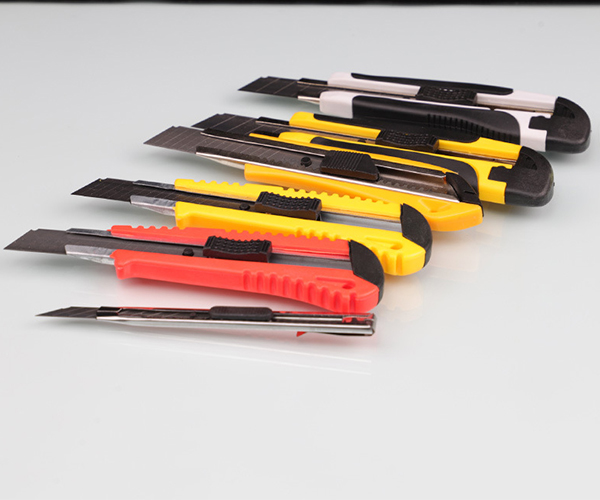
Utility knives and box cutters, at first glance, might seem similar, but there are a few key differences that set them apart. A utility knife typically has a stronger, more robust design, which makes it more versatile for a variety of materials. On the other hand, a box cutter is usually lighter, more compact, and optimized for cutting through lighter materials like cardboard and plastic.
So, what’s the real story? While both tools share some similarities in their appearance, a utility knife is generally the better option if you need a tool that can handle a wide range of cutting tasks. Box cutters are excellent for small, precise cuts, but they won’t perform as well with tougher materials or heavy-duty tasks.
Here’s where it gets interesting: utility knives often come with features like replaceable blades, better grips, and a wider variety of blade types, which makes them more flexible in different cutting scenarios. Box cutters, however, are usually designed for convenience and simplicity, excelling in quick tasks like opening packages or cutting lightweight materials.
Table 3: Comparison of Utility Knife vs Box Cutter
| Feature | Utility Knife | Box Cutter |
|---|---|---|
| Blade Type | Retractable or Replaceable | Fixed or Retractable |
| Durability | High (Heavy-duty tasks) | Low (Light materials only) |
| Material Compatibility | Wide range (Wood, carpet, plastic) | Cardboard, plastic, paper |
| Best Use | Versatile, long-term use | Quick, precise cuts |
Why Do People Confuse Utility Knives with Box Cutters?
The confusion between utility knives and box cutters often comes down to their similarities in appearance and general use. Both tools are handheld cutting devices with a blade, and both are commonly used in various industries, from packaging to construction. Additionally, both tools can often be found in home toolkits, making it easy to assume they’re interchangeable.
But here’s the kicker: while both tools might look similar, their intended applications and performance differ greatly. Utility knives are designed for more diverse tasks, while box cutters are generally best for light-duty cutting. This overlap in function leads people to believe they can be used for the same jobs, but each tool is built for a different purpose.
To further complicate matters, marketing for both tools often fails to clarify these differences, and the terms “utility knife” and “box cutter” are sometimes used interchangeably. What’s more, box cutters have been branded in ways that make them seem more versatile than they really are, contributing to the confusion.
Table 4: Key Differences Between Utility Knives and Box Cutters
| Aspect | Utility Knife | Box Cutter |
|---|---|---|
| Blade Design | Retractable or replaceable | Fixed or retractable |
| Task Versatility | High (variety of materials) | Low (specific to cardboard) |
| Handle Design | Ergonomic, heavy-duty | Lightweight, basic design |
| Safety Features | Locking mechanisms, blade change | Simple lock or no lock |
Which Tool is Better for Cutting Boxes?
When it comes to cutting boxes, both utility knives and box cutters can do the job. However, the question remains: which tool is better for the task?
Utility knives, with their sturdier construction and retractable blades, are perfect for cutting through tougher cardboard and thicker packaging materials. The replaceable blades ensure that the tool remains sharp, even after extensive use. Utility knives are designed for extended use, making them ideal for people who need to cut a large volume of boxes regularly.
On the other hand, box cutters, being lighter and more compact, are ideal for quick, one-off cuts. They’re easy to carry around and simple to use, making them a favorite for office environments or occasional tasks. While they may not last as long as utility knives, box cutters are efficient and do the job well for lighter tasks.
So, what’s the real story? If you need a tool for heavy-duty, long-term use, a utility knife is the best choice. But if you’re only looking to cut through a few boxes now and then, a box cutter will likely do the trick.
Table 5: Box Cutter vs Utility Knife for Box Cutting
| Feature | Utility Knife | Box Cutter |
|---|---|---|
| Cutting Efficiency | High (Thicker cardboard) | Moderate (Light tasks) |
| Durability | High (Multiple uses) | Low (Short-term use) |
| Blade Replacement | Easy (Cost-effective) | Not applicable (Fixed blade) |
| Versatility | High (Multiple materials) | Low (Limited use) |
Can You Use a Box Cutter as a Utility Knife?
You might be wondering if a box cutter can serve as a substitute for a utility knife. The short answer is: it depends on the task.
Box cutters can handle light cutting tasks, such as opening boxes or slicing through packaging materials. However, they fall short when it comes to tougher materials like wood or plastic. Box cutters typically don’t have the blade versatility or durability of utility knives, which are designed to handle a wider range of materials.
What’s the real story? If you’re looking for a quick, lightweight tool to handle basic tasks, a box cutter may suffice. But if you need something more robust for extended or heavy-duty use, a utility knife is your best bet.
Can a Utility Knife Replace a Box Cutter?
While a utility knife can often replace a box cutter for many tasks, the reverse isn’t always true. Utility knives are designed to handle more complex and challenging jobs. Their versatility, durability, and blade options make them ideal for a range of cutting needs, from packaging to crafting and even some light carpentry.
But here’s the kicker: a box cutter is smaller, lighter, and more portable than a utility knife, so it’s easier to carry around for quick cuts. If portability and convenience are important to you, the box cutter has its advantages. However, if you need a tool that can tackle tougher materials and more varied tasks, a utility knife will do the job better.
Safety Considerations for Using Utility Knives and Box Cutters
Safety is always a concern when using cutting tools, and both utility knives and box cutters come with specific safety considerations. With any sharp tool, proper handling and usage are critical to preventing accidents and injuries.
Utility knives often feature locking mechanisms to keep the blade in place while you work. These mechanisms add a layer of safety by ensuring the blade doesn’t accidentally retract while in use. Additionally, many utility knives have ergonomic grips to help users maintain control and avoid slips.
Box cutters, on the other hand, may not always have such advanced safety features. Some models feature simple locking mechanisms, while others rely on friction to hold the blade in place. While box cutters can still be safe to use, it’s important to make sure the blade is fully retracted when not in use and to replace dull blades regularly.
How to Choose the Best Utility Knife or Box Cutter for Your Needs
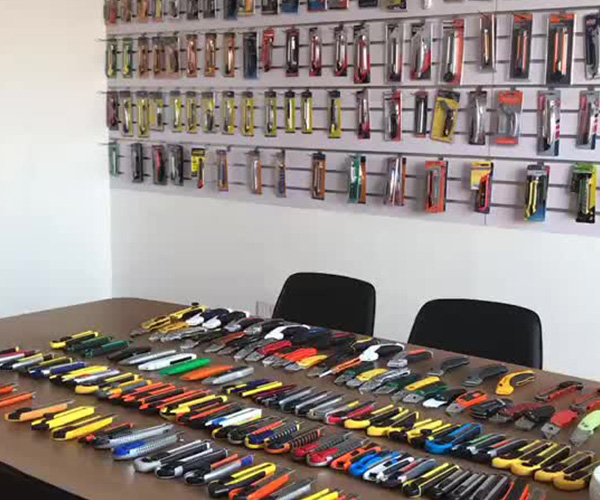
Choosing the right cutting tool depends on several factors, including the types of materials you’ll be working with, the frequency of use, and your budget. Utility knives are the better choice if you need a versatile, long-term solution that can handle a wide range of materials. However, box cutters are ideal for lighter tasks and are generally more affordable.
When making your decision, consider the following: do you need a tool that can handle a wide variety of tasks? Or are you just looking for something to cut boxes occasionally? If versatility and durability are important, a utility knife is the clear choice. But if simplicity and portability are key, a box cutter may be a better fit.
Conclusion
In conclusion, both utility knives and box cutters serve important functions, but they are designed for different types of tasks. Utility knives are more versatile, durable, and capable of handling a wide range of materials, making them ideal for heavy-duty tasks. Box cutters, on the other hand, are lighter, more portable, and best suited for quick, light tasks.
Ultimately, the best choice depends on your specific needs. For heavy-duty or diverse cutting projects, a utility knife is your best option. For quick, light-duty tasks, a box cutter is an excellent choice. By understanding the strengths and limitations of each tool, you can make an informed decision on which one best suits your needs.
FAQ
Q1: What is a utility knife?
A utility knife is a versatile cutting tool with a retractable or replaceable blade, designed for cutting various materials like cardboard, plastic, and wood.
Q2: How does a box cutter work?
A box cutter uses a fixed or retractable blade for cutting through lightweight materials such as cardboard, plastic wraps, and tape.
Q3: Can I use a box cutter to cut through wood?
Box cutters are not ideal for cutting wood, as their blades are too thin and short. A utility knife is a better option for cutting wood.
Q4: What is the primary difference between a utility knife and a box cutter?
Utility knives are more durable and versatile, designed for a wide range of materials, while box cutters are lighter and better suited for light tasks like cutting cardboard.
Q5: Which tool should I use for DIY projects?
For most DIY projects, a utility knife is recommended due to its ability to handle tougher materials and perform a variety of cutting tasks.


 English
  Español
  Português (AO90)
  العربية
  Deutsch
  Nederlands
  Français
  Italiano
  한국어
한국어  Русский
  日本語
日本語