A wholesale distributor acts as the critical bridge between raw manufacturing power and your retail environment. They absorb the heavy lifting of bulk production, international compliance, and inventory buffering so you don’t have to. Instead of you dealing with fifty different factories for wrenches, sockets, and pliers, a distributor consolidates these needs into a single, streamlined flow. Why does this matter? It allows you to focus on your core competency—selling—while they manage the complexities of import logistics and quality vetting.
Furthermore, a competent distributor provides a buffer against market volatility. By maintaining massive warehousing infrastructure and consistent stock levels, they ensure that you can replenish your inventory quickly, even when factory lead times stretch out. This role is pivotal in maintaining your cash flow; you don’t need to tie up millions in safety stock if your partner keeps a steady supply flowing. They effectively de-risk your procurement process by handling currency fluctuations, customs clearance, and factory audits on your behalf.
Why Should You Partner with a Factory-Direct Wholesale Tools Distributor?
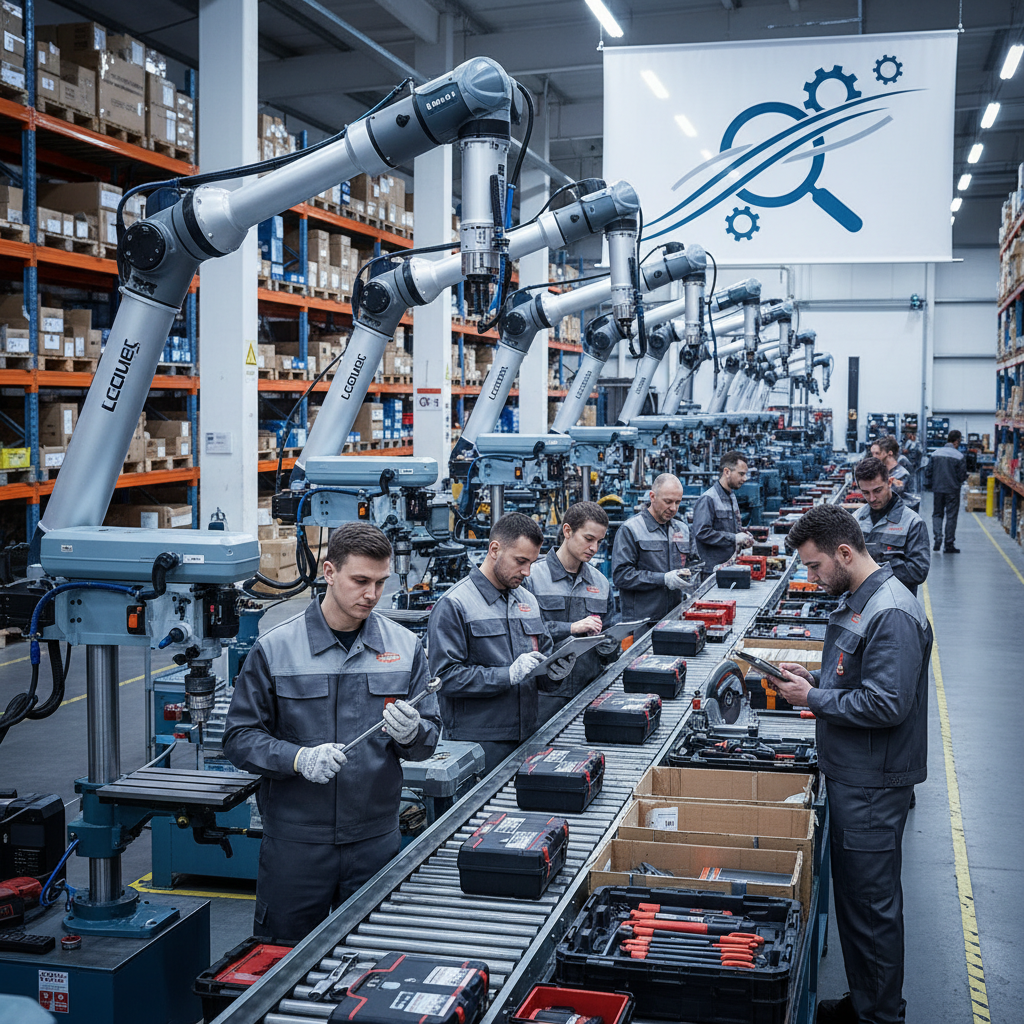
When you work with a factory-direct distributor, you are cutting out layers of middlemen who inflate costs without adding value. Sourcing directly from manufacturing hubs like those operated by Kolarwin ensures you get pricing that allows for healthy resale margins. Here’s the deal: buying closer to the source gives you a competitive edge, allowing you to offer better prices to your customers or capture more profit per unit. It also opens direct lines of communication with the people actually making your tools, ensuring technical specifications are met without “broken telephone” errors.
Beyond pricing, factory-direct partnerships offer unmatched transparency. You gain insight into production schedules, material sourcing, and ethical labor practices. This direct relationship fosters agility; when market trends shift, you can work with the factory to pivot production quickly rather than waiting for a third-party agent to relay messages. This capability is crucial for businesses looking to scale rapidly or introduce new product lines without the friction of traditional supply chains.
| Feature | Middleman/Broker | Factory-Direct Distributor | |
|---|---|---|---|
| Cost Structure | High (Multiple Markups) | Low (Direct Pricing) | |
| Communication | Slow & Filtered | Direct & Technical | |
| Customization | Limited | Extensive (OEM/ODM) | |
| Accountability | Low | High |
How Do You Evaluate the Reliability of a Potential Tool Supplier?
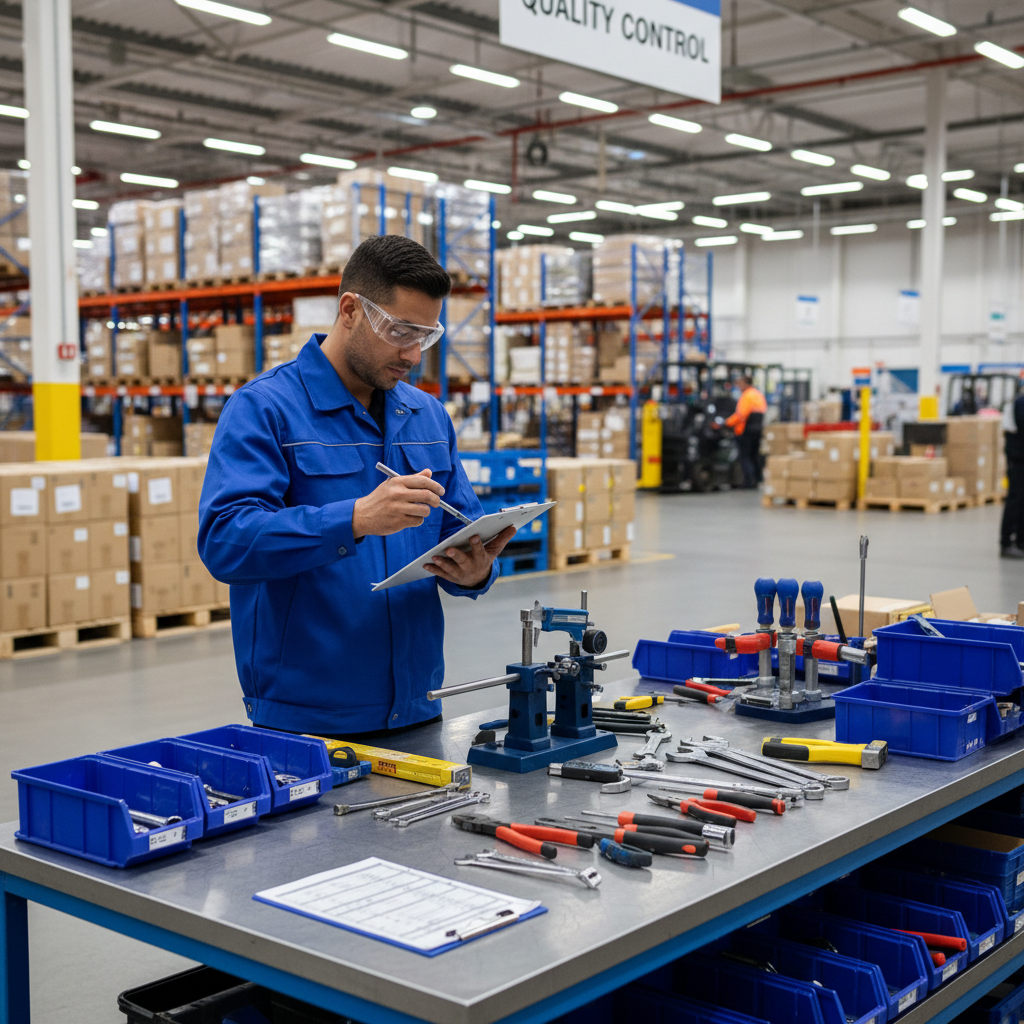
Evaluating a supplier goes far beyond checking their website. You must dig into their quality control protocols and certifications. A reliable supplier should be able to provide documentation for ISO certifications, material composition reports (proving they use real Chrome Vanadium or Carbon Steel), and torque testing results. But there’s a catch: documents can be forged. You need to verify their reputation by asking for trade references, checking their export history, and seeing if they have long-standing relationships with major retailers in regulated markets like Europe or North America.
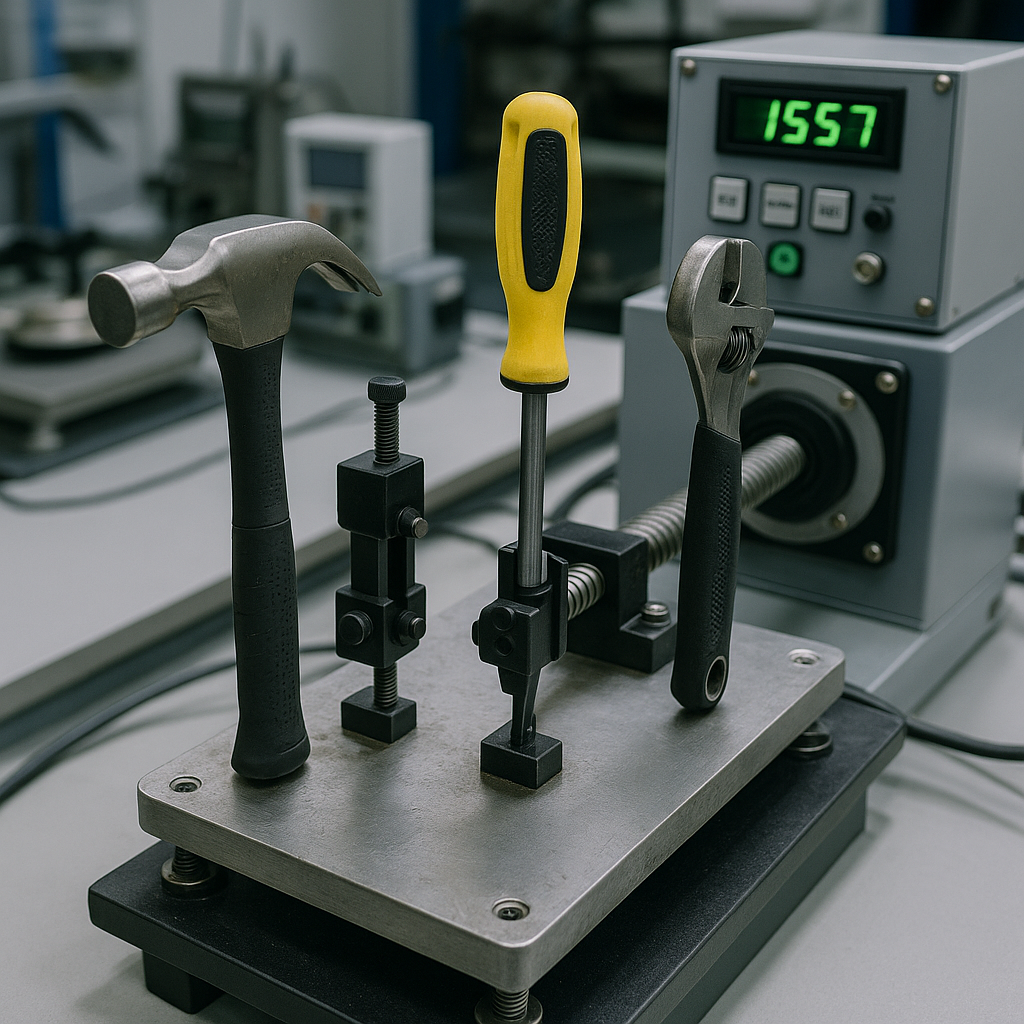
Reliability also stems from consistency. Does the socket set you order in January match the quality of the one you order in July? Top-tier suppliers have rigorous internal testing labs where they perform hardness testing, salt spray tests for corrosion resistance, and durability cycles. If a potential partner hesitates to show you their lab or explain their QC process, it is a major red flag. You need a partner who treats quality as a non-negotiable standard, not an afterthought.
What Product Ranges Should a Top-Tier Distributor Offer?
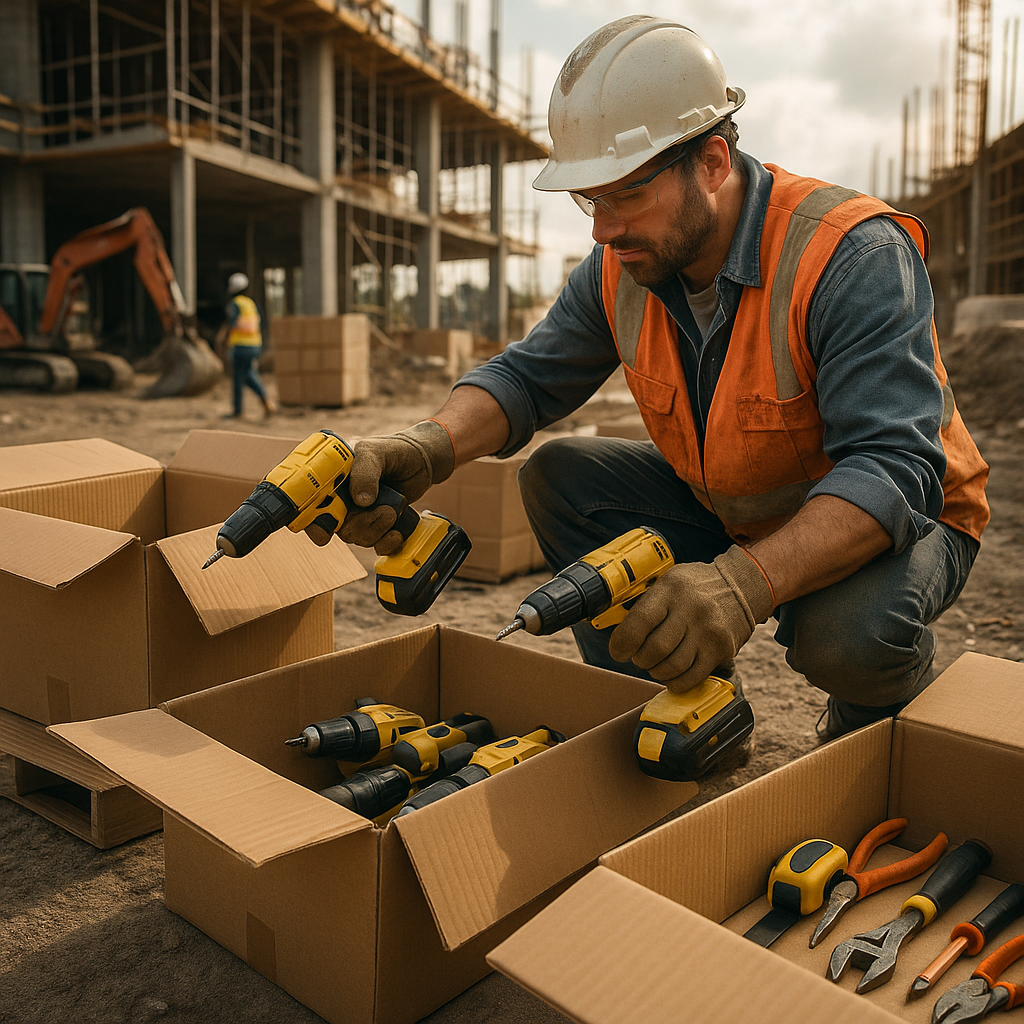
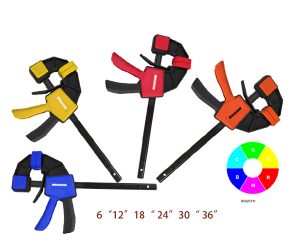
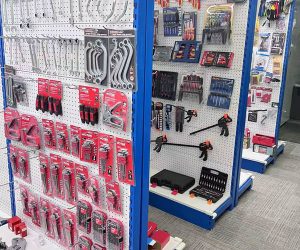
A top-tier distributor acts as a one-stop shop, offering a comprehensive ecosystem of tools that covers all your bases. You shouldn’t have to source your screwdrivers from one vendor and your heavy-duty wrenches from another. A robust product catalog should include everything from precision hand tools for electronics to industrial-grade impact accessories. This breadth allows you to consolidate your purchasing, which simplifies logistics and often leads to better volume pricing.
You might be wondering: does variety dilute quality? Not with the right partner. A specialized distributor organizes their production lines to handle different categories efficiently. They should offer distinct tiers of products—such as a “Home DIY” line for casual users and a “Professional Mechanic” line for heavy use. This segmentation allows you to serve multiple customer demographics from a single supply source, keeping your inventory versatile and responsive to local market demands.
| Category | Target Audience | Key Features | |
|---|---|---|---|
| Automotive Tools | Professional Mechanics | High Torque, CR-MO Steel, Impact Rated | |
| Household Sets | DIY Enthusiasts | Compact Cases, Versatile Mix, Aesthetics | |
| Construction Tools | Contractors | Durability, Heavy-Duty, Weather Resistant |
How Can You Negotiate Better Pricing on Bulk Hand Tool Orders?

Negotiation in the wholesale tool industry is about leverage and long-term planning. Factories operate on efficiency; they prefer large, consistent orders over sporadic small ones. To get the best price, provide your supplier with an annual forecast rather than just a single purchase order. Ready for the good part? By committing to volume over time, you can often unlock pricing tiers that are typically reserved for much larger corporations. This partnership approach signals stability to the manufacturer, encouraging them to lower their margins in exchange for guaranteed business.
However, be careful not to grind the price down so low that quality suffers. “Quality fade” is a real risk where suppliers cut corners on materials to meet an unrealistic price target. Instead of focusing solely on the unit price, negotiate on terms that improve your cash flow, such as better payment terms (e.g., 30% deposit, 70% upon arrival) or reduced packaging costs. A fair negotiation results in a sustainable relationship where both parties remain profitable and committed to quality.
Can Your Distributor Handle Custom OEM and ODM Tool Requirements?
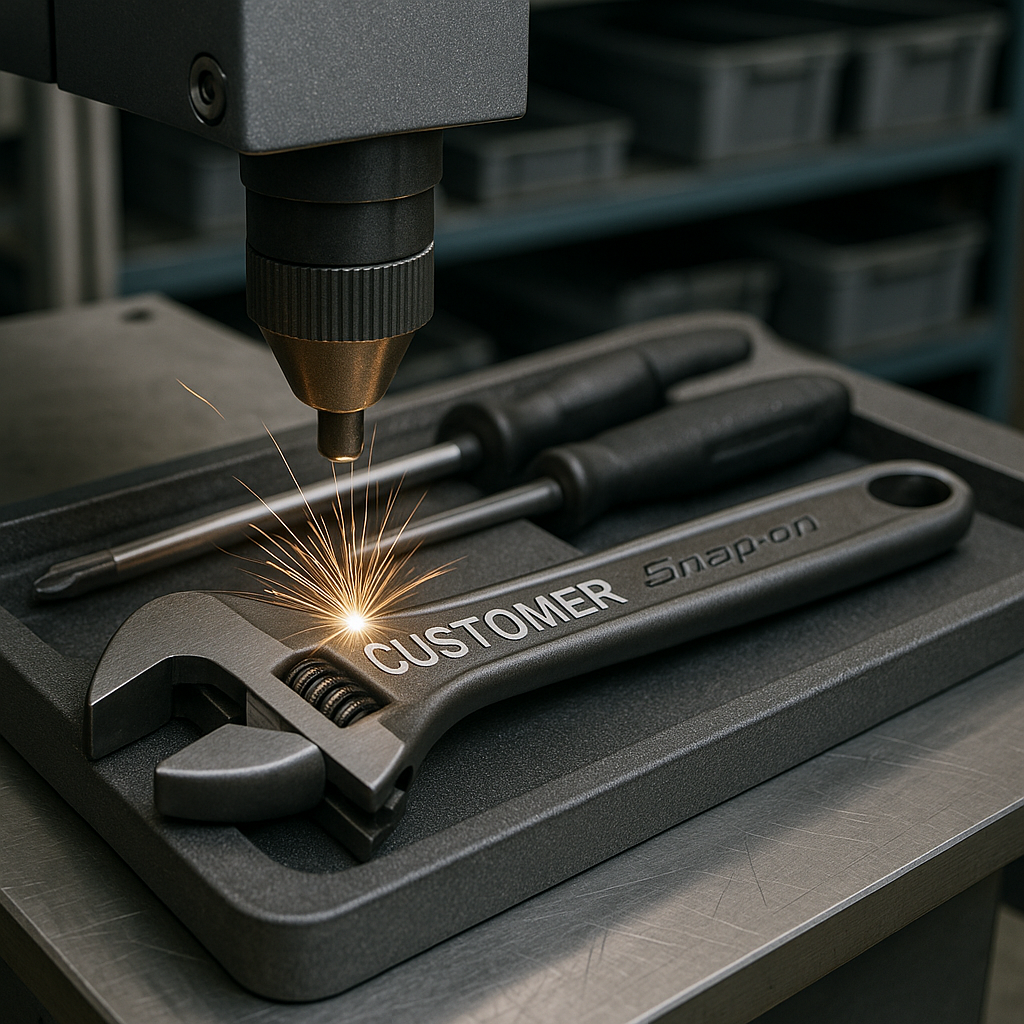
In a saturated market, selling generic tools is a race to the bottom. To build brand equity, you need a partner capable of OEM (Original Equipment Manufacturing) and ODM (Original Design Manufacturing). This means the distributor can take a standard impact socket set and customize it with your brand colors, logo, and unique packaging. Kolarwin, for instance, offers extensive customization options, from laser-engraving logos on steel to designing custom-molded cases that stand out on a retail shelf.
Here is the secret: True ODM capability allows you to modify the tool itself. If your market demands a specific ergonomic handle grip or a unique ratchet mechanism, a capable manufacturer can create new molds to meet those specs. This level of service transforms a commodity product into a unique asset that competitors cannot easily copy. It allows you to own a specific niche in the market and command higher margins based on brand loyalty and product differentiation.
How Does Efficient Logistics Impact Your Wholesale Tool Profit Margins?
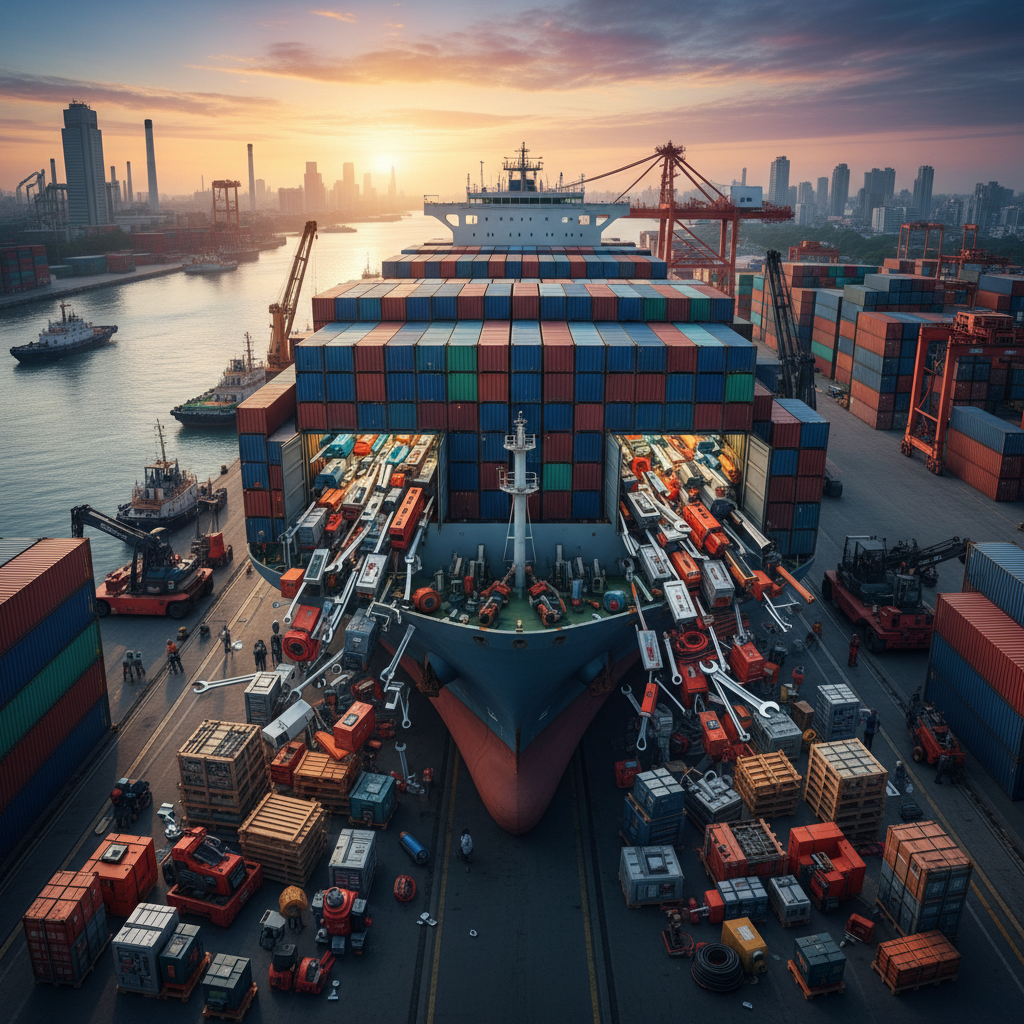
Logistics is often the hidden killer of profit margins. A distributor who manufactures great tools but fails at shipping them efficiently is a liability. You need a partner who understands the intricacies of global freight, customs documentation, and container optimization. Efficient packing—maximizing the number of sets per container—can significantly reduce your “landed cost” per unit. Why does this matter? Because freight costs can account for a substantial percentage of the total product cost, especially for heavy items like steel tools.
Furthermore, lead time reliability is crucial. If a factory quotes 45 days but takes 70, you miss your sales window. Experienced distributors have established relationships with freight forwarders and can navigate port congestion better than novices. They should provide transparent tracking and proactive communication regarding any delays. By securing a reliable logistics workflow, you ensure that your capital isn’t tied up in floating inventory for longer than necessary, keeping your cash flow healthy.
| Logistics Factor | Impact on Business | Optimization Strategy | |
|---|---|---|---|
| Container Loading | Shipping Cost per Unit | Optimize box sizes for 100% utilization | |
| Lead Time | Inventory Turnover | Build buffer stock & accurate forecasting | |
| Customs Docs | Port Delays & Fines | Verify HS Codes and compliance upfront |
What Support Services Should You Expect from a Distributor?

A transactional vendor sells you a box and disappears; a true partner helps you sell it. You should expect robust support services that go beyond the factory floor. This includes marketing support, such as providing high-resolution images for your e-commerce listings or designing retail-ready packaging artwork. But here’s the kicker: Kolarwin offers free artwork design services, saving you the expense of hiring external agencies to create box designs or instruction manuals.
Post-sale support is equally critical. What happens if a batch of tools has a defect? A reliable partner stands behind their product with a clear warranty and return policy. They should offer a “defect allowance” or immediate replacement for faulty goods. Additionally, technical support is vital for complex items; having direct access to engineers who can answer questions about torque specifications or material properties helps your sales team close deals with knowledgeable end-users.
What Future Trends Are Shaping the Wholesale Tool Distribution Market?
The tool industry is evolving rapidly, driven by shifts in consumer behavior and technology. One major trend is the rise of “prosumer” tools—high-quality gear that bridges the gap between DIY and professional use. Homeowners are tackling more complex renovations and demanding better durability than generic department store tools offer. Distributors are responding by creating mid-tier product lines that offer professional features at accessible price points.
Sustainability is another massive shift. European and North American markets are increasingly demanding eco-friendly packaging. This means moving away from single-use blister packs to recyclable cardboard and biodegradable materials. You might be wondering: is this just a fad? No, it is becoming a regulatory requirement in many regions. Partnering with a forward-thinking manufacturer who is already retooling for sustainable production ensures your brand remains compliant and appealing to modern, eco-conscious consumers.
| Trend | Description | Strategic Action | |
|---|---|---|---|
| Eco-Packaging | Reduction of plastics | Switch to reinforced cardboard boxes | |
| E-Commerce Ready | Packaging for shipping | Drop-test certified packaging | |
| Smart Tools | Digital integration | Explore digital torque wrenches etc. |
What Risks Should You Avoid When Selecting a Chinese Tool Partner?
While sourcing from China offers incredible value, it is not without risks. The most common pitfall is partnering with a “middleman” posing as a factory. These traders add a markup and lack control over production schedules or quality. You can avoid this by demanding a video tour of the factory floor or checking their business license. Here is the reality: A real factory welcomes transparency; a trader hides sources.
Another risk is “quality fade,” where the first shipment is perfect, but subsequent orders see a gradual decline in material quality to cut costs. To mitigate this, you must implement a strict inspection protocol for every shipment, not just the first one. Use a “Golden Sample” from the initial batch to compare against future deliveries. Additionally, verify their financial stability to ensure they won’t go under with your deposit. Due diligence upfront prevents catastrophic supply chain failures down the road.
Conclusion
Navigating the global landscape of tool distribution is a high-stakes endeavor where the quality of your partner directly impacts your bottom line. We have explored the critical strategies for success: verifying factory-direct capabilities, demanding rigorous quality control, leveraging OEM customization, and ensuring logistical efficiency. It is clear that the lowest price is not always the best value; reliability and partnership are the true currencies of growth.
Here is the bottom line: Do not settle for a vendor who simply fills orders. Demand a partner who invests in your brand’s success.
At Kolarwin Tools, we combine over a decade of manufacturing expertise with a commitment to client growth. If you are ready to secure a supply chain that delivers quality, consistency, and profitability, contact us today to request a quote or discuss your custom tool needs.
Frequently Asked Questions
Q1: What is the typical Minimum Order Quantity (MOQ) for wholesale custom orders?MOQs vary by product line but generally start around 500 to 1,000 units for fully customized OEM orders (e.g., custom logo and packaging). For standard off-the-shelf items, we can often accommodate smaller trial orders to help you test the market.
Q2: How do you ensure the quality of the tools before shipment?We implement a strict multi-stage Quality Control process. This includes raw material verification, hardness and torque testing during production, and a final pre-shipment inspection. We can provide detailed QC reports for every batch upon request.
Q3: Can you help with shipping and customs clearance?Yes. We have an experienced logistics team that works with trusted freight forwarders. We can handle FOB, CIF, or DDP terms depending on your preference, and we ensure all export documentation is perfectly prepared to facilitate smooth customs clearance.
Q4: Do you offer samples for evaluation?Absolutely. We encourage all potential partners to request samples. Testing our tools in your own environment is the best way to verify our quality. Sample costs are typically refundable against your first bulk order.
Q5: What are your payment terms for international clients?Our standard terms are usually a 30% deposit via T/T to initiate production, with the remaining 70% balance due against the Bill of Lading (copy). However, we are open to discussing flexible terms for long-term partners with established credit.
 English
  Español
  Português (AO90)
  العربية
  Deutsch
  Nederlands
  Français
  Italiano
  한국어
한국어  Русский
  日本語
日本語